The projects
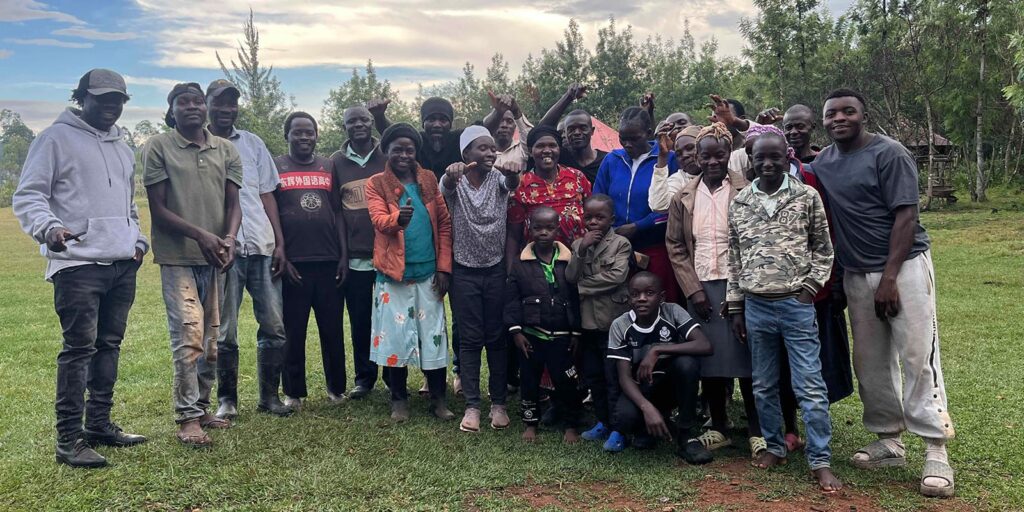
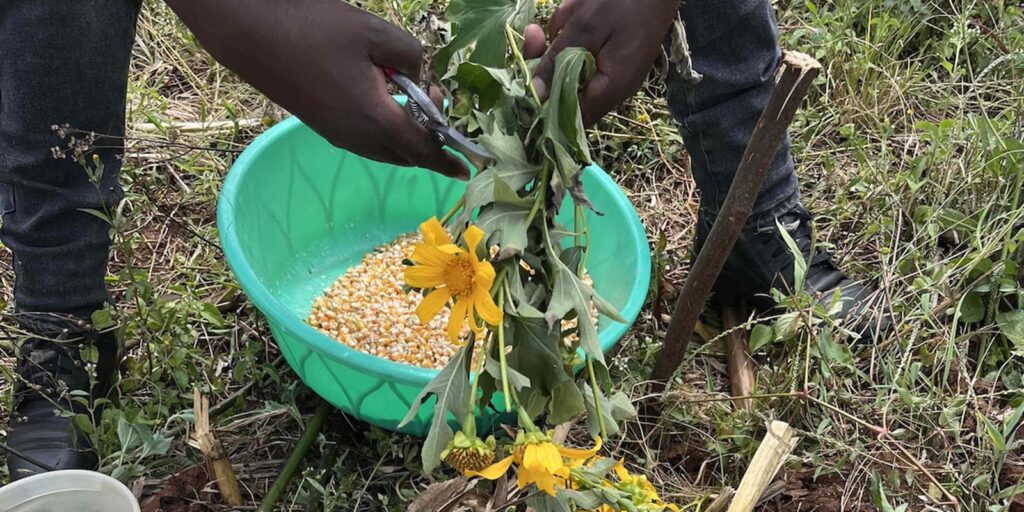
The projects supported by CardoVerde are mainly located in the humid tropics of Latin America and in East Africa, where conditions tend to be dry. In most cases, schools with their own agricultural land are involved, so that infrastructure and long-term project management are usually available on site. An important goal is to involve the pupils’ families and enable them to contribute their experience and learn new practices. Where possible, the project teams in comparable ecological regions are networked and the observations made during the testing of plant species and cultivation practices are documented and made available to each other. Some of the projects are presented below as examples.
On this page
Food security among the Shawi in Peru
Learn more
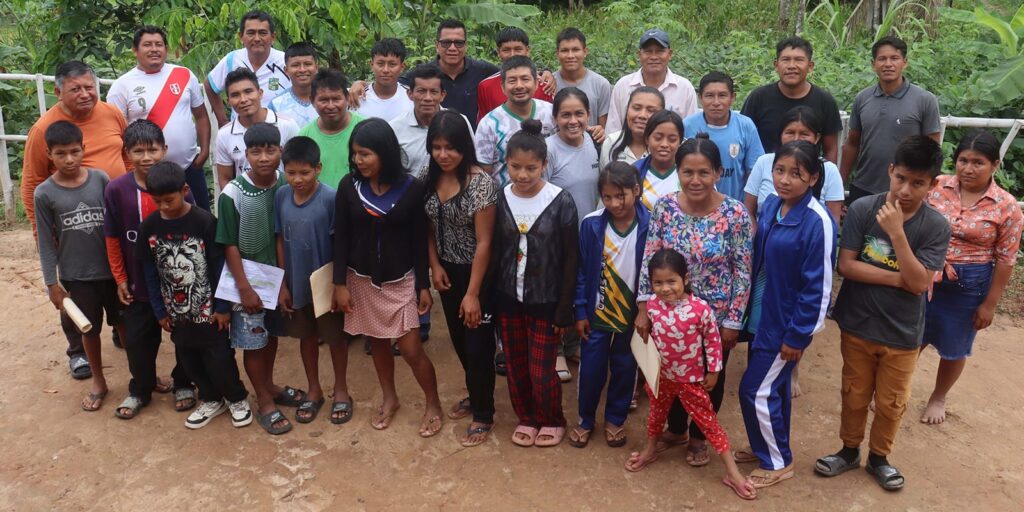
The training concept was introduced in Peru by the NGO ProRural in 2002 and has its own status in the country’s education system. The supported CRFAs (Centro de Formación en Alternancia) have larger areas of land and agricultural topics are part of the curriculum. The cooperation with CardoVerde aims to introduce innovative practices in the technical training of the students and to improve self-sufficiency in food in terms of diversity and quality.
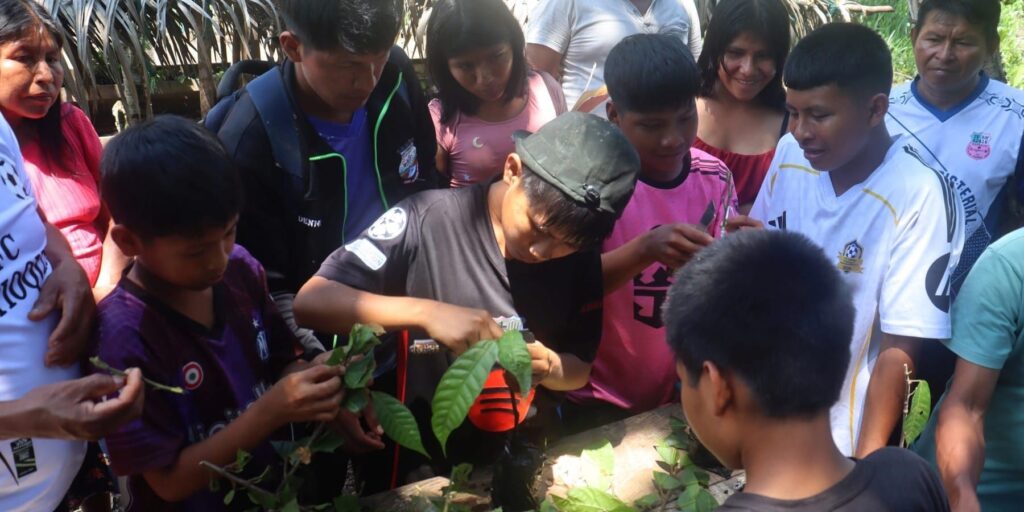
Various plants for green manure and food supply are first tested in an “observation garden”, where 3 to 4 students each cultivate a small 4 x 4 metre plot and document their observations. Seeds are produced from the species that cope well with the conditions of the site for further distribution in the region.
After jointly planting agroforestry plots, the groups of 3 to 4 pupils from the first year take on a 16 x 32 metre “block” and cultivate it under supervision throughout their 5 years at school. The agroforestry practices are based on the principles of “dynamic” or “syntropic” agroforestry developed by Ernesto Götsch -Source. The pupils can harvest the first fruits of “their” trees while they are still at school.
The current focus is on the CRFA Nueva Esperanza. Through joint meetings and workshops with delegations from other CRFAs in Antioquía and Pucalpillo, the innovations were also taken up there. It is a strategic goal of the cooperation between ProRural and CardoVerde to promote networking and the exchange of proven practices and procedures between CRFAs with ecologically comparable conditions.
The project with ProRural was supported from October 2023 to December 2024 with 25,000 euros from the Small Projects Fund of the BMZ (Federal Ministry for Economic Cooperation and Development in Germany) and administered by the Schmitz Foundation.
Innovative agriculture and self-sufficiency at a school in Mexico
Learn more
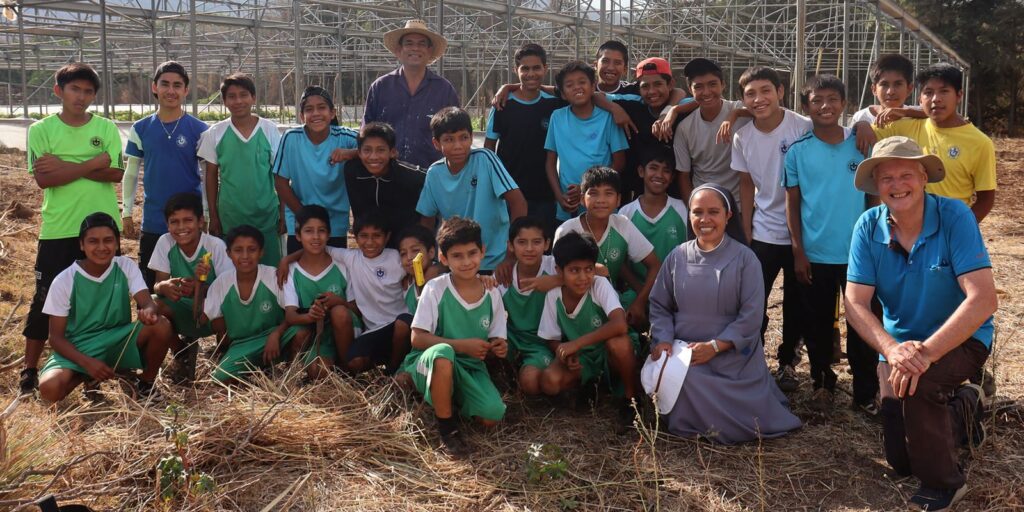
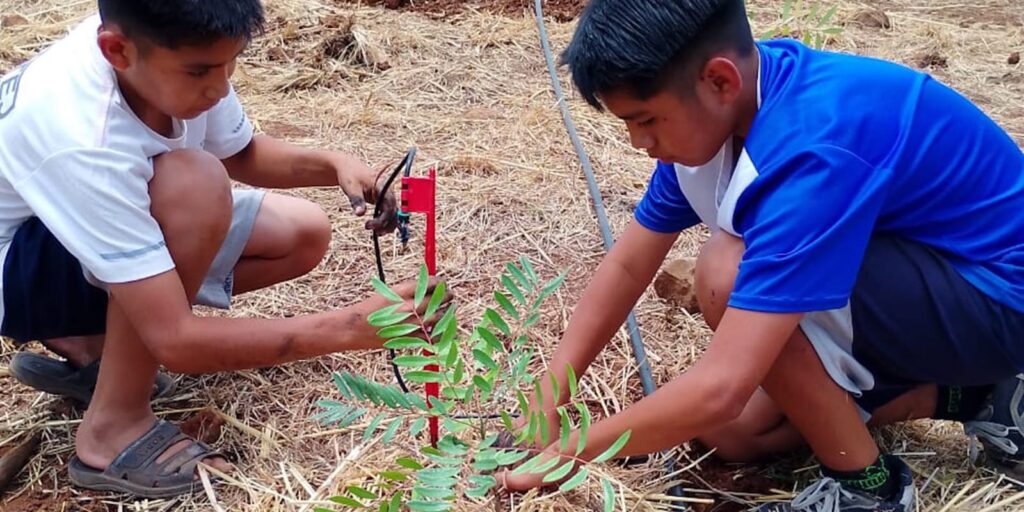
CardoVerde supports the site by providing expert advice and financial resources, primarily for seeds, tree plants and equipment. At around four months, the rainy season in Guadalajara is relatively short, making the effective use of water resources one of the site’s key issues. Thus, one focus in the beginning was to test various drought-tolerant plants and then propagate the seeds of those species that proved successful. The plants should not only produce a good harvest but also a lot of organic material as mulch and “food” for the microorganisms in the soil. The legume species Cajanus cajan, Dolichus lablab and Canavalia ensiformis have proven particularly successful; Tithonia and sorghum varieties are currently being tested.
Now that the greenhouse leases expired in 2025, the current focus is on recultivating and using the greenhouse space for their own purposes. The first major harvests of vegetables have already been brought in. The pupils work in groups on a voluntary basis, and for all of them, contact with the soil, plants and animals is a beneficial addition to their school learning.
The pupils are supervised by two employees with agricultural training and a consultant experienced in organic farming, who is financed by CardoVerde. In addition to plant cultivation, other areas of work have been established. Chickens, pigs and bees are now also kept, and worm compost is produced from organic kitchen waste.
Sustainable coffee cultivation in Kenya